Skip to content
Global Mobile Medical Association
← All trainings
DateTBD
Leadership3 days

Mobile Health Program Coordinator 101

Foundations of Operational Excellence in Mobile and Community-Based Care

Mobile health programs play a critical role in expanding access to care for underserved and hard-to-reach populations. As health systems and community organizations increasingly rely on mobile care models, there is a growing need for program coordinators and emerging leaders who understand the operational, clinical, and community dynamics that influence successful mobile health delivery.

Taught by Djuana Parker, Assistant Director / Operations Manager, Mobile Health, Cone Health, and Founding Faculty of the GMMA Mobile Health Leadership Academy.

days
3days
sessions
7sessions
CE contact hours
13.0CE contact hours
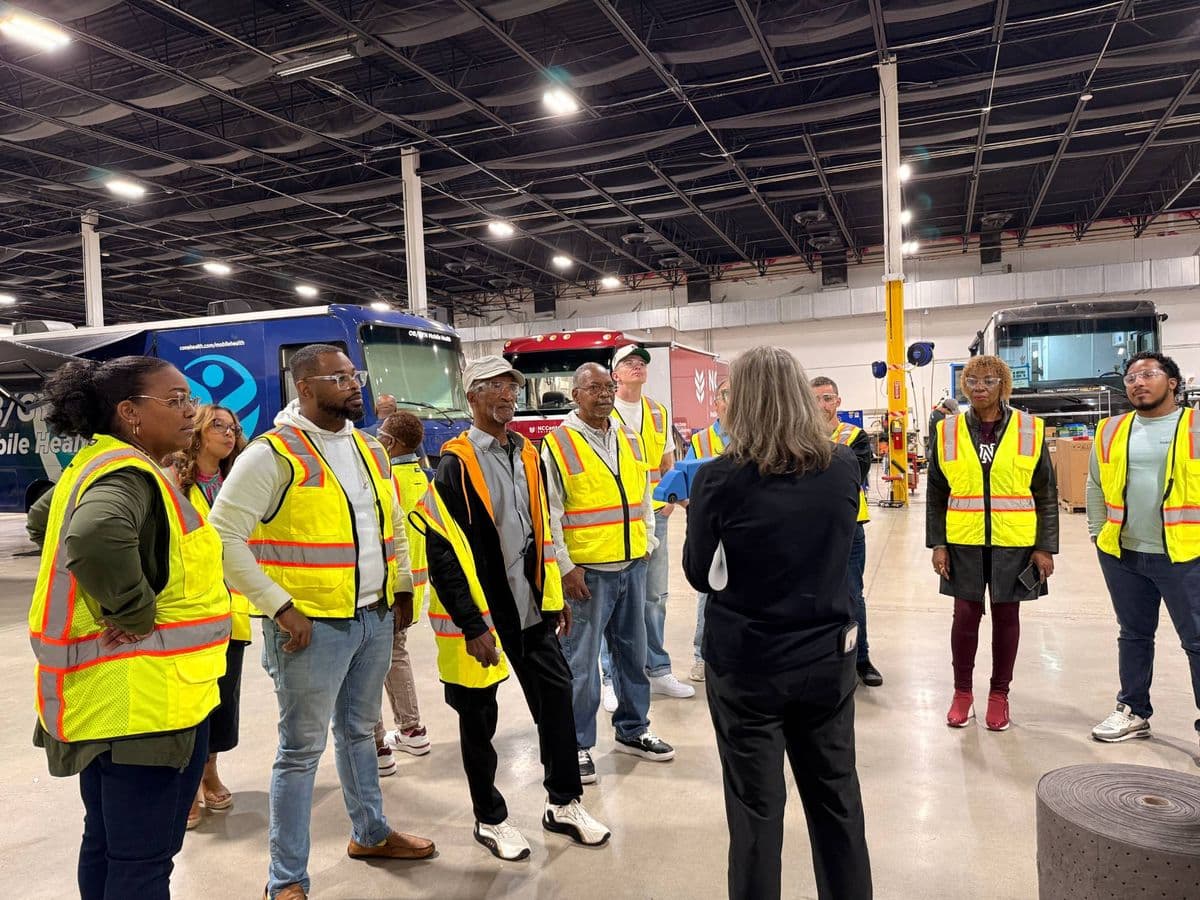
A group in high-visibility vests on a tour of the mobile clinic shop floor

About this course

Mobile Health Program Coordinator 101 is an interprofessional continuing education course designed to provide foundational knowledge and practical strategies for coordinating and supporting mobile health programs. The course explores the unique realities of delivering care in mobile environments, including operational workflows, staffing considerations, environmental factors, safety and security planning, and the differences between mobile and traditional clinical settings.

Participants will examine strategies for patient engagement, cultural humility, and creating safe and welcoming environments for diverse populations receiving care in community settings. The course also highlights the value of community health workers, the integration of telehealth technologies to support continuity of care, and the importance of contingency planning and quality improvement in mobile health operations.

In addition, the program addresses workforce sustainability through discussions on provider wellness, caregiver strain, and burnout prevention in mobile care environments. Through interactive discussions, case-based learning, and collaborative problem solving, participants will gain practical tools to coordinate safe, effective, and sustainable mobile health programs while strengthening team collaboration and improving community-based care delivery.

Who it's for

Professionals involved in the coordination, development, or leadership of mobile health programs: new mobile health program coordinators, organizations launching or expanding startup mobile health programs, and emerging leaders responsible for mobile health services or community outreach initiatives. Additional participants may include:

  • Physicians
  • Nurse practitioners and physician assistants
  • Nurses
  • Community health workers
  • Social workers
  • Care coordinators
  • Health care administrators
  • Mobile health operations staff

Objectives

Learning objectives

At the conclusion of this activity, participants will be able to:

  1. 1Analyze the operational, environmental, and workflow factors unique to mobile health care to improve clinical decision-making and program coordination in community-based settings.
  2. 2Apply safety, security, and contingency management strategies to support safe and effective mobile health clinic operations.
  3. 3Demonstrate effective interprofessional collaboration and communication with mobile health team members, including community health workers, to improve care coordination and patient outcomes.
  4. 4Integrate culturally humble and patient-centered engagement strategies to strengthen trust and improve care delivery for diverse community populations.
  5. 5Evaluate strategies that support provider wellness, reduce burnout, and promote sustainable mobile health program operations.

Schedule

Three days at a glance

  1. Day 1 · 1:00–5:00 PM

    3.75 CE contact hours

    1. 1:00 PM
      Open

      Welcome, Orientation, Learning Objectives

      Live lecture · 0.5 CE hr

    2. 1:30 PM
      Session 1

      The Mobile Health Landscape: Understanding the Role of Mobile Health Programs

      Case discussion · 1.5 CE hr

    3. 3:15 PM
      Session 2

      Mobile Health Is Not a Clinic on Wheels: Operational Differences and Workflow Realities

      Group activity · 1.75 CE hr

  2. Day 2 · 9:00 AM–5:00 PM

    6.5 CE contact hours

    1. 9:00 AM
      Session 3

      Safety, Security, and Contingency Planning in Mobile Health Environments

      Lecture + Q&A · 1.5 CE hr

    2. 10:45 AM
      Session 4

      Patient Engagement, Cultural Humility, and Creating Safe Spaces for Care

      Interactive workshop · 1.5 CE hr

    3. 1:15 PM
      Session 5

      Workflow in Motion: Scheduling, Staffing, and Mobile Clinic Operations

      Simulation · 1.75 CE hr

    4. 3:15 PM
      Session 6

      Sustaining the Mobile Workforce: Provider Wellness, Caregiver Strain, and Burnout Prevention

      Panel + guided discussion · 1.75 CE hr

  3. Day 3 · 9:00 AM–12:00 PM

    2.75 CE contact hours

    1. 9:00 AM
      Session 7

      Technology, Community Partnerships, and Sustainable Mobile Health Programs

      Group learning · 1.5 CE hr

    2. 10:45 AM
      Close

      Course Reflection, Evaluation, and Next Steps

      Reflection / discussion · 1.25 CE hr

How it's taught

Interactive lectures, case-based learning, small-group discussion, role play and simulation exercises that replicate mobile deployment challenges, workflow disruptions, and regulatory scenarios, and reflective debriefs that build an individualized implementation plan.

Competencies addressed

  • Interprofessional Collaboration
  • Interprofessional Communication
  • Roles and Responsibilities
  • Values and Ethics for Team-Based Practice
  • Quality Improvement and Patient Safety

Faculty

  • Djuana Parker, MHA Candidate

    Assistant Director / Operations Manager, Mobile Health, Cone Health. Founding Faculty, Mobile Health Leadership Academy, in collaboration with the Global Mobile Medical Association (GMMA).

    Djuana Parker is a mobile and ambulatory healthcare operations leader with expertise in launching and scaling mobile health initiatives serving underserved and high-need populations. Her professional focus includes startup strategy, staffing model optimization, regulatory compliance, workflow engineering, financial stewardship, interprofessional team leadership, and quality improvement integration in mobile and community-based settings.

    She brings applied operational experience in program design, specialty mobile deployment, cross-sector partnership development, and data-driven performance oversight.

Continuing education

13.0 contact hours (subject to final accreditation review)

Accreditation statement

This activity has been planned and implemented in accordance with the accreditation requirements and policies of the Weitzman Institute and Joint Accreditation for Interprofessional Continuing Education through the joint providership of Moses/Weitzman Health System, Inc and the Global Mobile Medical Association (GMMA).

Disclosure

The faculty member has no relevant financial relationships with ineligible companies whose primary business is producing, marketing, selling, reselling, or distributing healthcare products used by or on patients.

All relevant financial relationships have been mitigated prior to the planning and implementation of this activity.

This educational activity does not include discussion of unlabeled or investigational uses of commercial products.

Assessment and evaluation

  • Pre- and post-course self-assessment of knowledge, competence, and confidence
  • Participant course evaluations assessing content relevance, faculty effectiveness, and educational outcomes
  • Reflection prompts and commitment-to-change action planning to support application in practice

What comes next

Next: Mobile Health Operations 201

Mobile Health Operations 201 builds upon foundational competencies introduced in 101. This advanced program focuses on scaling multi-site mobile operations, financial modeling, return-on-investment demonstration, advanced contracting strategies, data dashboards, and executive leadership integration. Designed for experienced mobile leaders and organizational executives, 201 prepares participants to expand impact while maintaining financial sustainability and measurable quality outcomes.

Save your seat

Dates are being set. Join the list and you will be the first to know when registration opens.

Get on Our Training Class Waiting List

More Leadership training

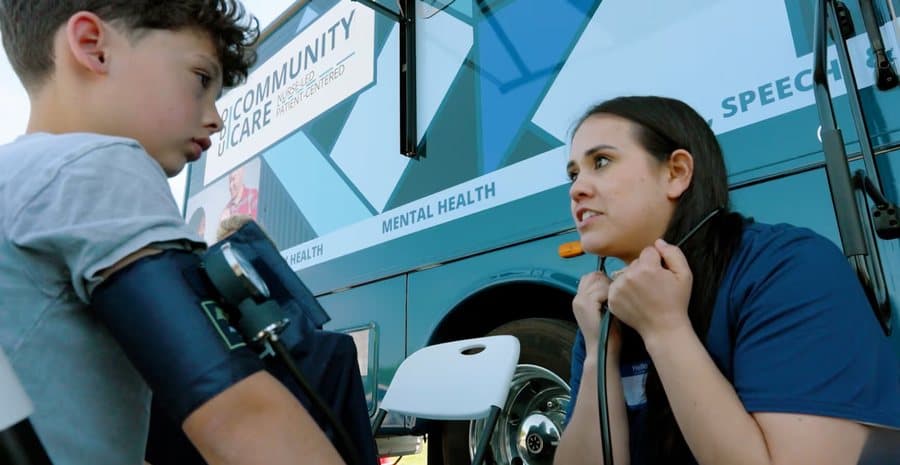
  • A clinician taking a young patient's blood pressure at a school clinic
    Leadership
    DateTBD
    3days

    School Based Health Mobile Healthcare

    This course introduces participants to the design, delivery, and management of mobile healthcare services within school settings. Emphasis is placed on addressing the unique health needs of children and adolescents, improving access to care, and building strong partnerships between schools, families, and healthcare providers.

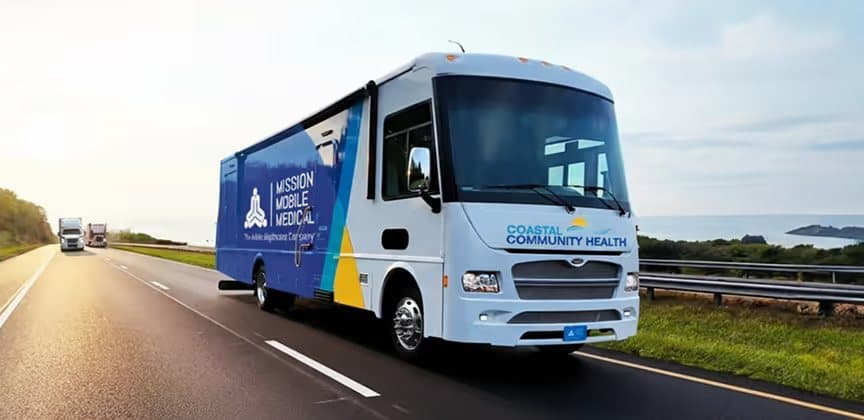
  • A mobile medical unit travelling to its next stop
    Leadership
    DateTBD
    3days

    Mobile Healthcare 101

    Participants will gain introductory insights into the Mobile Health space. Whether you are in the initial stages of planning or already managing a mobile clinic, this course provides the basic framework of establishing an effective program. With a focus on practical application, the course introduces the Mobile Healthcare Program Framework, which is divided into three key phases: Plan, Implement, and Sustain.

Mobile Health Program Coordinator 101 | GMMA